Green walls for universities & public sector buildings

Universities, councils and public bodies are being asked to green their estates, support biodiversity and create healthier places for the people who use them. Living walls, green screens and green roofs do all three, and they work on buildings and streets where there’s little room to plant in the ground.

We work with estates and facilities teams on new installations, and on taking over and restoring walls that are already in place. Our team plans planting, irrigation and access around each site, including high walls that need specialist powered access and busy streets that have to stay open.

Once a wall is in, we keep it performing with planned maintenance, remote monitoring and clear reporting. That’s the evidence estates teams need for their sustainability and biodiversity plans.

Request a callback

Supports sustainability and biodiversity goals

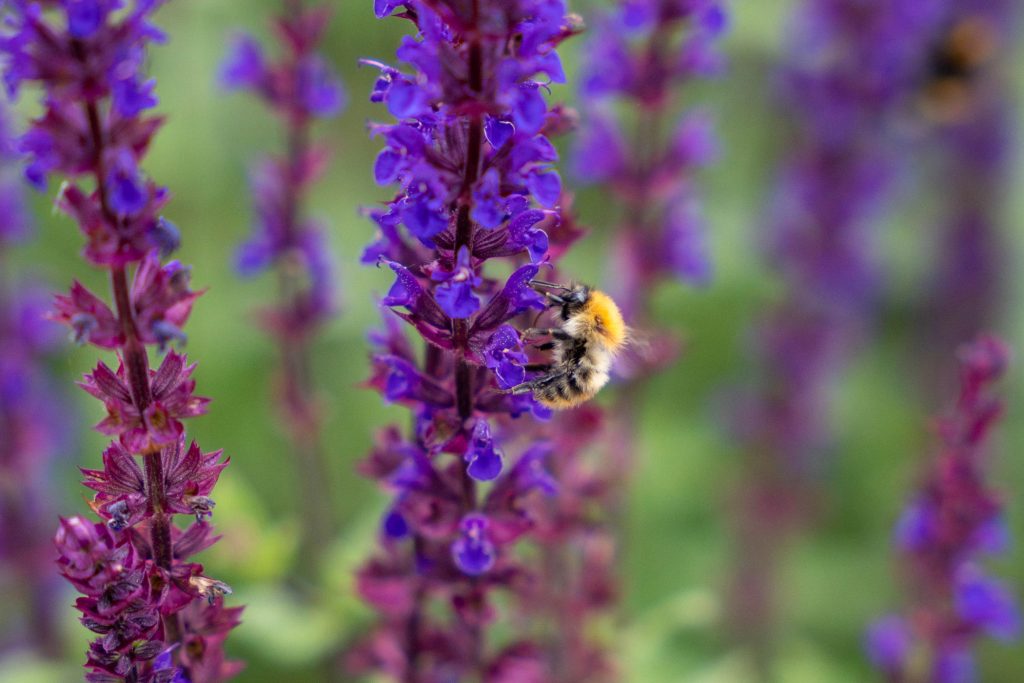
Planting chosen for pollinators and year-round habitat contributes to estate-wide biodiversity and greening plans.

Healthier places for students and staff

Greener campuses and streets are more pleasant places to study, work and spend time, supporting wellbeing goals.

Greening where there’s no room to plant

Walls, screens and roofs bring substantial planting to paved streets, courtyards and building façades.

We take over
existing walls

We maintain and restore walls installed by others, from replanting to new irrigation and replacement cassettes.

Clear
reporting

Planned maintenance visits come with proper reports, and remote monitoring flags issues early. That gives estates teams an auditable record.

Climate
resilience

Planting reduces heat gain on buildings, and holding rainfall eases the load on drainage in heavy weather.

Too much paving to plant

Town centre streets are often lined with paving, with little space or soil for traditional planting.

How we help

Green screens in planters follow the street, cut to fit around gates and railings without blocking footpaths. Blackpool Council’s scheme started with 90 metres along a busy road and has since been extended.

A living wall in decline

An existing living wall that’s struggling can quickly become an eyesore rather than a feature.

How we help

We assess the system, then repair or replace irrigation, damaged cassettes and planting. At Nottingham Trent University, a maintenance enquiry became a full refurbishment of the University Hall wall.

Hard-to-reach walls

Large or high walls make installation and maintenance more complicated, especially on busy public sites.

How we help

We plan access from the start, including specialist powered access for elevated walls, and schedule work to keep disruption to campus or public use low.

Proving the value

Public bodies need to show what their greening spend has achieved.

How we help

Regular reports and remote monitoring give a record of the wall’s condition. DNA-based insect monitoring can help assess biodiversity around the installation.

Too much paving to plant

Town centre streets are often lined with paving, with little space or soil for traditional planting.

How we help

Green screens in planters follow the street, cut to fit around gates and railings without blocking footpaths. Blackpool Council’s scheme started with 90 metres along a busy road and has since been extended. 

A living wall in decline

An existing living wall that’s struggling can quickly become an eyesore rather than a feature.

How we help

We assess the system, then repair or replace irrigation, damaged cassettes and planting. At Nottingham Trent University, a maintenance enquiry became a full refurbishment of the University Hall wall.

Hard-to-reach walls

Large or high walls make installation and maintenance more complicated, especially on busy public sites.

How we help

We plan access from the start, including specialist powered access for elevated walls, and schedule work to keep disruption to campus or public use low.

Proving the value

Public bodies need to show what their greening spend has achieved.

How we help

Regular reports and remote monitoring give a record of the wall’s condition. DNA-based insect monitoring can help assess biodiversity around the installation. 

Green walls for universities & public sector buildings FAQs

Thinking about a living wall? We’ve answered the questions we’re asked most often. Can’t see your question? Get in touch and we’ll be happy to answer any queries you have.

Yes. We regularly take over existing walls. We start with an assessment, then agree a plan for remedial work and ongoing maintenance.

We plan work around term times, events and footfall. We agree access and safety arrangements with your team in advance.

Most external walls need four to six visits a year, depending on size, planting and the monitoring in place. Each visit ends with a report.

Plant mixes are chosen for pollinators and habitat, and DNA-based insect monitoring can help assess biodiversity around the wall over time.

Not usually, but listed buildings and conservation areas may need consent. Check with the local planning authority if you’re unsure.

Featured projects

Explore our featured projects for inspiration on how a living wall could transform your space.

View all

What our clients say...

Downloads

MobiPanel

Modular Living Wall System

Technical specifications covering system dimensions, materials, weight, irrigation and installation requirements. 

DNA Insect Scan

Biodiversity Monitoring

How DNA-based insect monitoring can help assess biodiversity around a living wall installation. 

MobiRoof ECO

Green Roof Technical Factsheet

Specifications covering cassette dimensions, saturated weight, water retention, planting and installation requirements.

Green Screens

Technical Factsheet

Specifications covering screen sizes, plant varieties, installation requirements and accessories. 

*Need technical drawings, CAD files or further specification details for your project? Get in touch and we can send you the relevant information.

Greening a campus, town centre or public building?

Tell us about the site and we’ll talk through the options, practicalities and next steps.

Request a callback